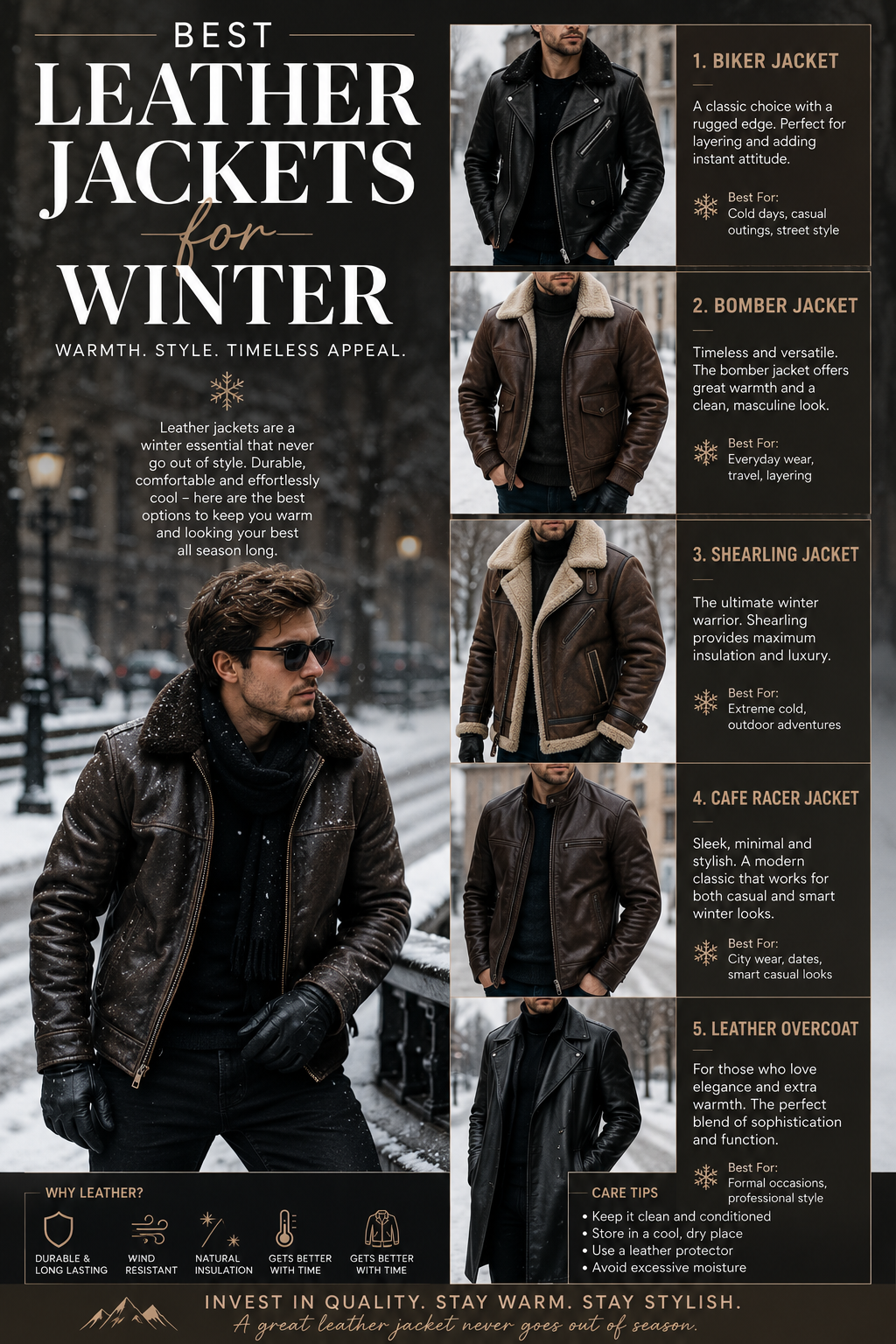
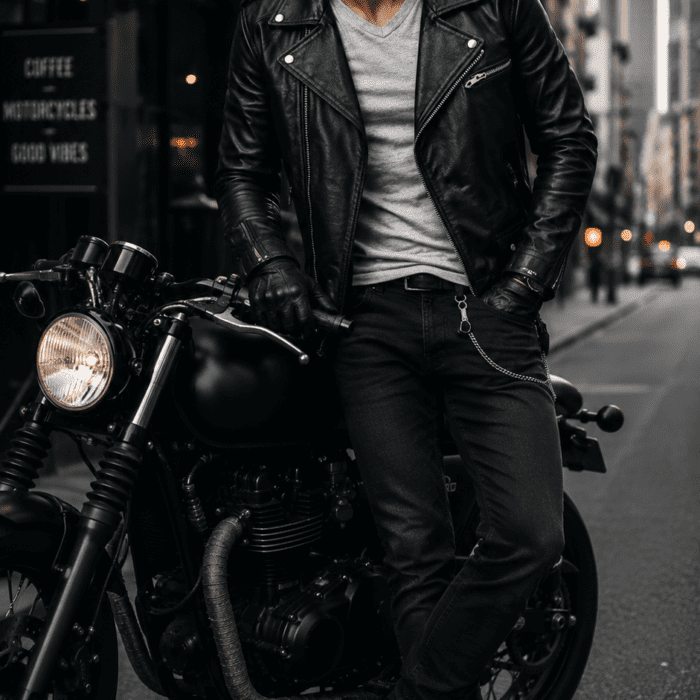
The primary knock against leather jackets in winter is that they prioritize style over substance, offering little protection against genuine cold. While a thin fashion moto jacket will indeed leave you shivering, specific leather styles have evolved specifically for harsh weather, using heavy hides, natural insulation, and construction techniques that rival traditional wool coats.
Understanding which leather jackets actually perform in freezing temperatures—versus which merely look the part—ensures you stay warm without sacrificing the edge that leather provides.
What Makes a Leather Jacket Winter-Ready?
Not all hides are created equal for cold weather. Winter-worthy leather jackets feature:
Heavyweight Hides: While fashion jackets use 0.8mm to 1.0mm lambskin, winter leather uses 1.2mm to 1.4mm cowhide or steerhide. This density provides wind resistance and natural insulation.
Shearling or Thinsulate Lining: The warmest options use genuine shearling (sheepskin with wool attached) or high-quality synthetic insulation like Thinsulate that traps heat without bulk.
Wind-Blocking Construction: Tight zipper closures, storm flaps, and ribbed cuffs prevent cold air infiltration at vulnerable points.
Length Coverage: Longer coats that hit mid-thigh provide significantly more warmth than cropped moto styles.
The Shearling Aviator: Warmth Champion
Originally designed for open-cockpit bomber pilots in freezing altitudes, the B-3 aviator jacket remains the gold standard for leather winter wear. The combination of thick sheepskin exterior with the wool fleece interior creates natural insulation that breathes while maintaining body heat.
Modern interpretations maintain the wide shearling collar that buttons at the throat to seal out wind, along with leather welted seams that prevent cold spots. The oversized fit allows for thick sweaters underneath while the heavy weight (often four to six pounds) signals serious protection.
Style tip: The bulk of an aviator requires slim bottoms—skinny jeans or tailored trousers—to balance proportions. Wear it open over a turtleneck for urban sophistication or zipped to the neck for blizzard conditions.
The Insulated Bomber: Urban Protection
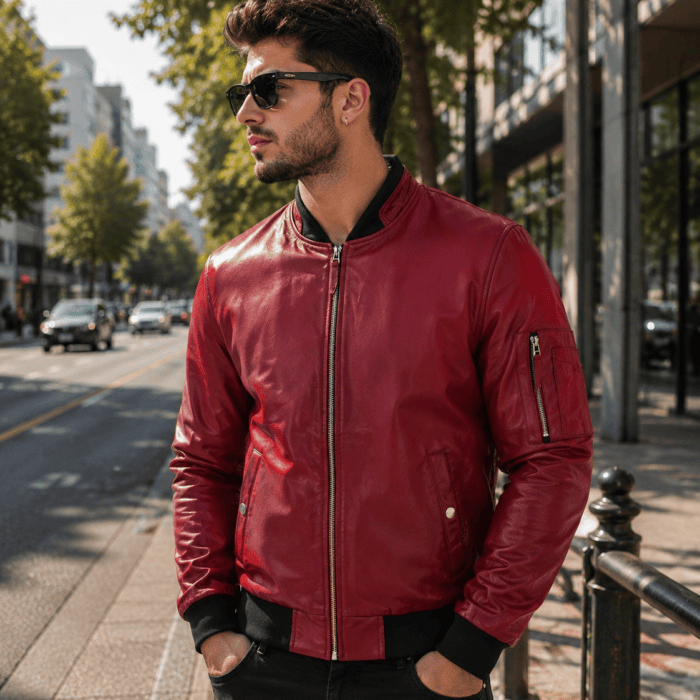
Traditional MA-1 bomber jackets get winter upgrades through leather construction and modern insulation. These feature ribbed knit collars, cuffs, and hems that seal body heat, along with quilted linings that add warmth without the bulk of shearling.
Look for versions using buffalo leather or heavyweight cowhide with PrimaLoft or Thinsulate Gold insulation. These provide water resistance and warmth down to freezing temperatures while maintaining a sleeker silhouette than aviator styles.
The bomber’s hip-length cut allows freedom of movement for commuting and driving while protecting the core. Dark colors—black, olive, navy—absorb solar heat during winter days.
The Leather Trench: Sophisticated Coverage
For maximum coverage without resorting to puffer coats, the leather trench coat offers thigh-length protection against wind and snow. Modern versions use treated full-grain leather that resists moisture while providing a shell against bitter winds.
Key features include double-breasted closures that overlap for chest warmth, belted waists that trap heat, and full linings of wool or quilted polyester. While not as insulating as shearling, leather trenches excel for urban professionals who need to look polished while walking between heated buildings.
Choose camel, black, or chocolate brown in heavyweight cowhide. Avoid fashion trenches in thin lambskin that offer minimal protection.
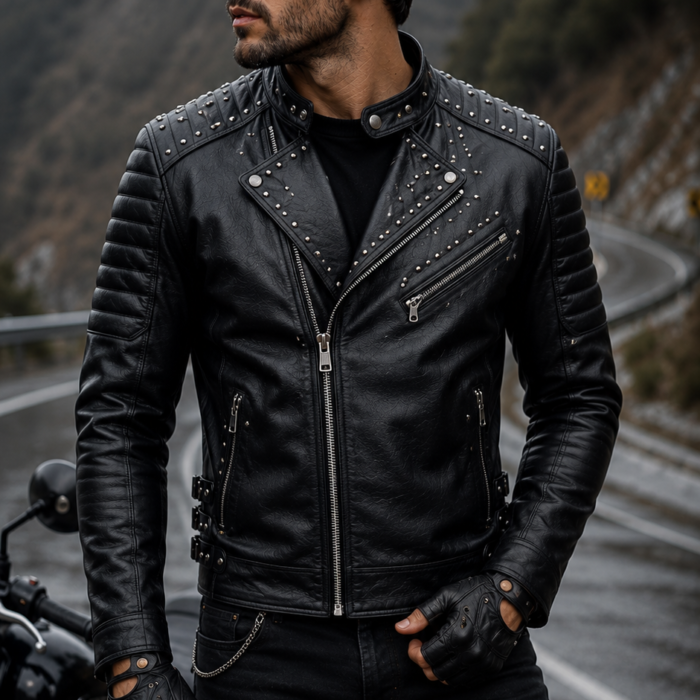
The Moto with Winter Upgrades
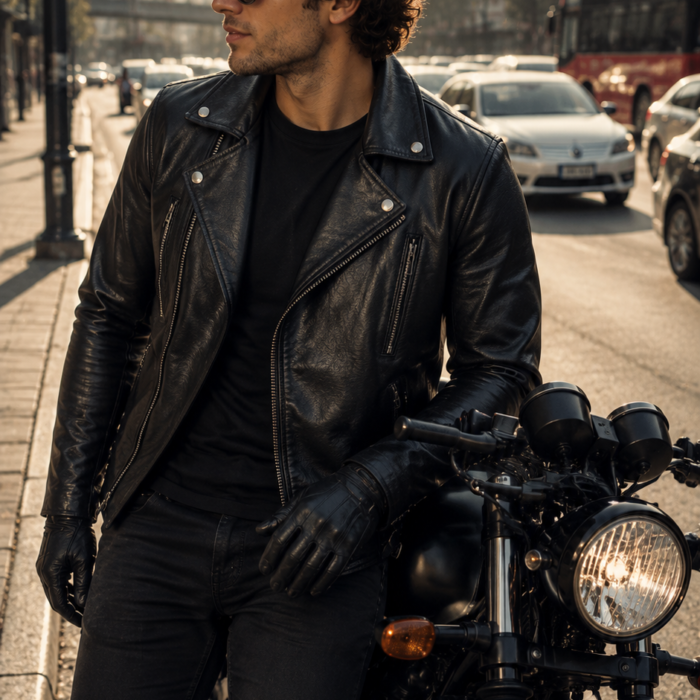
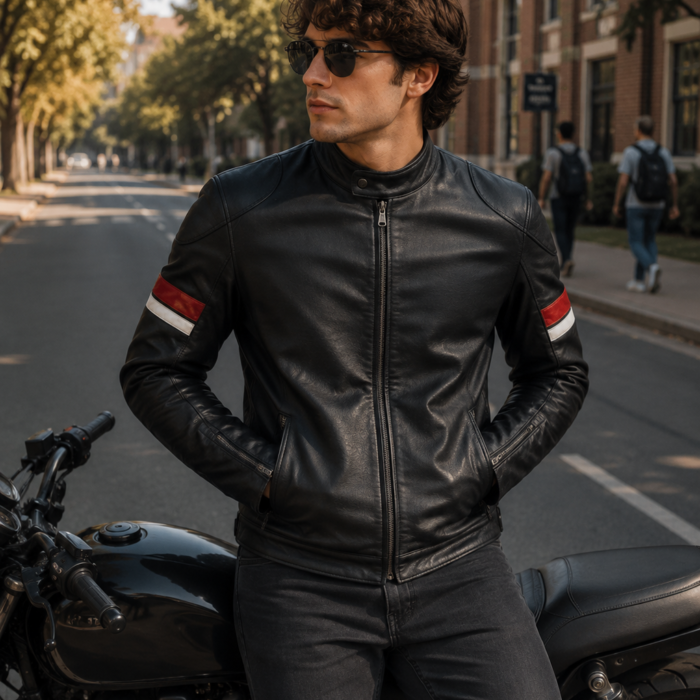
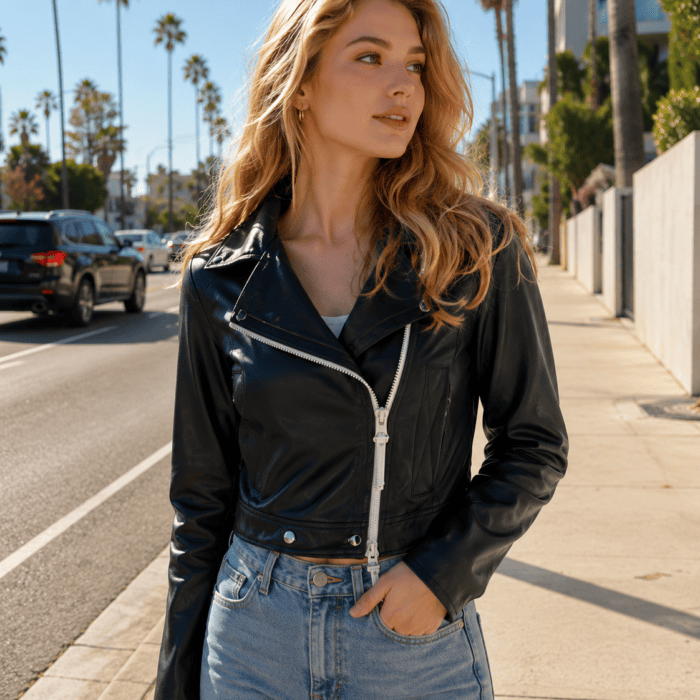
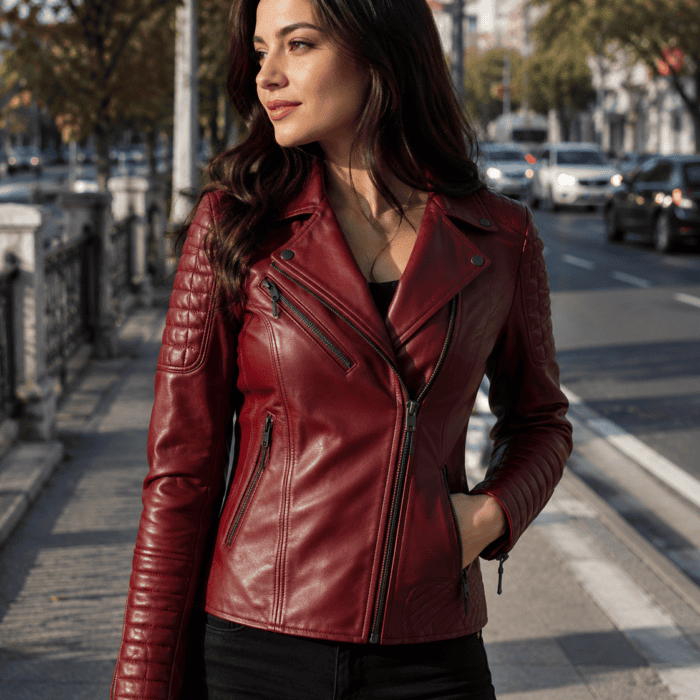
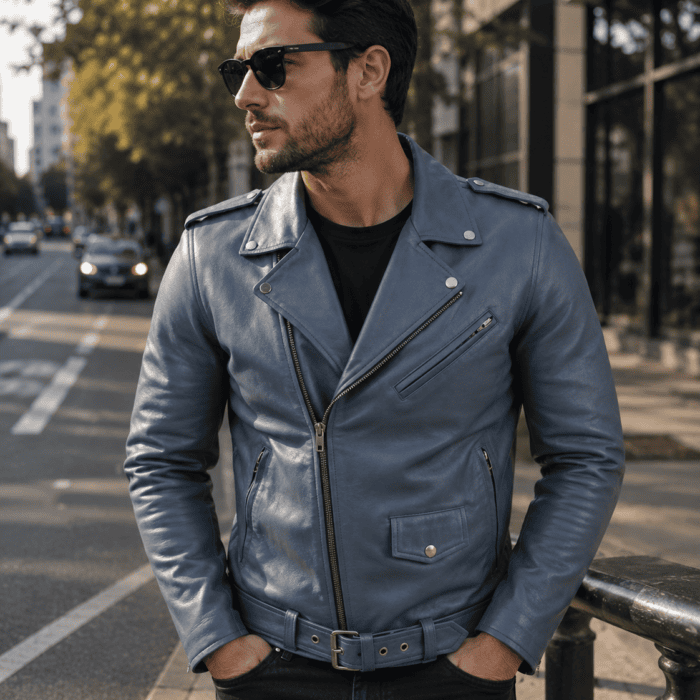
Traditional moto jackets can work in winter if specifically designed for cold weather. Look for versions with quilted thermal linings, zip-out sherpa inserts, and extended lengths that cover more torso. Some feature storm cuffs—knit inner sleeves—that seal wrist gaps.
These bridge the gap between fashion and function, allowing you to maintain the edgy moto silhouette while adding practical warmth. However, they typically handle cool winters (30-40°F) rather than extreme cold, making them best for transitional climates or layered over heavy sweaters.
Layering Strategies for Extreme Cold
Even the warmest leather jacket benefits from strategic layering:
Base Layer: Merino wool thermals in black or charcoal provide warmth without bulk under the jacket.
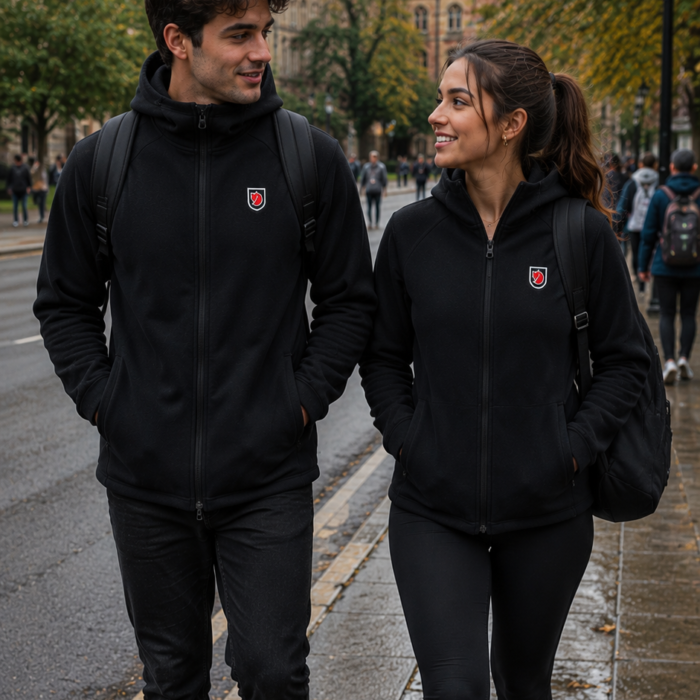
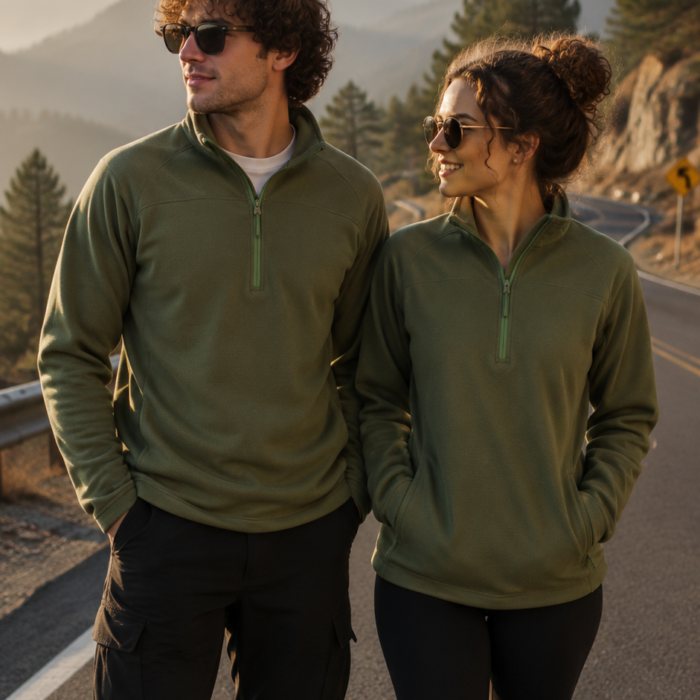
Mid Layer: A chunky cashmere turtleneck or fleece hoodie traps heat. Ensure the jacket is sized to accommodate this volume without straining zippers.
Accessories: Leather gloves (preferably lined with cashmere or Thinsulate), a wool scarf tucked into the jacket, and a beanie for head coverage complete the system.
Winter Leather Care in Cold Climates
Winter salt and slush damage leather severely if not addressed. Wipe down your jacket with a damp cloth after exposure to road salt. Condition monthly during winter months to prevent the hide from drying out due to indoor heating and cold outdoor air.
Never store a winter leather jacket near radiators or heating vents. Allow it to dry naturally at room temperature if it becomes damp from snow.
Frequently Asked Questions
Are leather jackets warm enough for winter?
Heavyweight leather jackets with shearling lining or proper insulation are warm enough for most winter conditions, often outperforming wool coats in wind resistance. However, thin fashion leather offers minimal protection and is best for fall or mild winters only.
What is the warmest type of leather jacket?
The shearling aviator or B-3 bomber style provides the most warmth due to the natural insulation of sheepskin wool combined with thick leather exterior. These were designed for sub-zero temperatures in unheated aircraft.
Can you wear a leather jacket in the snow?
Yes, provided it is heavyweight full-grain or top-grain leather, not thin fashion leather. Wipe off snow immediately before it melts and saturates the material. Condition the leather after exposure to prevent salt damage and drying.
How should a winter leather jacket fit?
It should fit slightly larger than a fashion leather jacket to accommodate sweaters and thermal layers. Ensure you can zip it comfortably over your thickest winter sweater. The shoulders should still align properly even with layers underneath.
Is faux leather warm enough for winter?
Standard PU leather is not warm enough for cold winters as it does not breathe or insulate effectively. However, some faux leather jackets include heavy quilted linings that provide warmth, though they lack the natural temperature regulation of real hide.
What color leather jacket is best for winter?
Black absorbs heat from sunlight, providing slight thermal advantage. Dark brown, burgundy, and forest green also work well. Avoid light tan or white for winter as they show salt stains easily and reflect rather than absorb heat.
Can you layer a leather jacket under a winter coat?
Yes, a fitted leather moto or racer jacket can be worn under an oversized wool overcoat for extreme cold. This creates stylish texture contrast while providing double insulation. Ensure the outer coat is large enough to accommodate the leather without pulling.
How do I protect my leather jacket from winter salt?
Apply a leather protector spray before the season begins. Wipe down the jacket with a damp cloth immediately after exposure to salt spray. Store the jacket properly conditioned, as salt draws moisture from leather and causes cracking if left untreated.