A Brief History Behind Both Iconic Styles
Understanding where these jackets come from helps explain why they look and feel so different today.
The Origin of the Bomber Jacket
The bomber jacket — originally called the flight jacket — was designed during World War I for military pilots who needed warmth at high altitudes. Early versions were crafted from heavy leather with fur-lined collars. By the 1950s and 1960s, the U.S. military introduced the MA-1 bomber made from lightweight nylon with a signature ribbed collar, cuffs, and hem. This sleeker silhouette eventually made its way into streetwear, hip-hop culture, and high fashion runways.
The Origin of the Leather Jacket
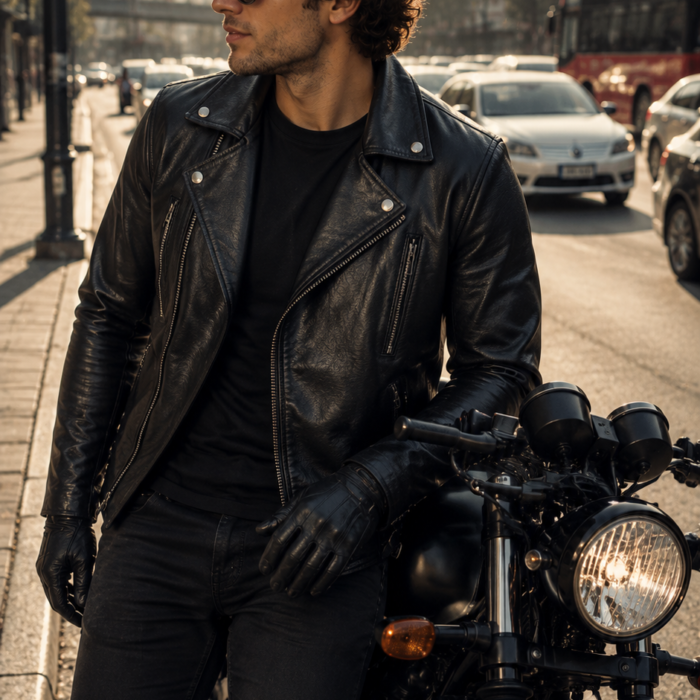
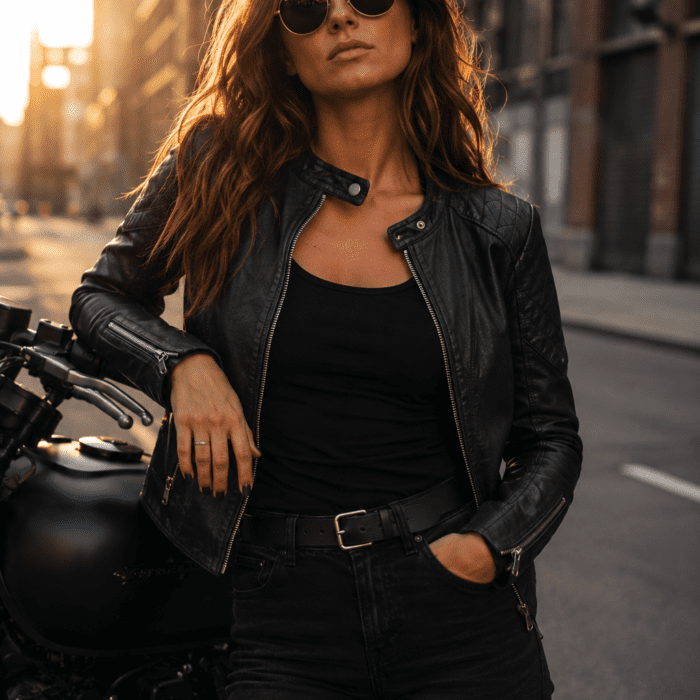
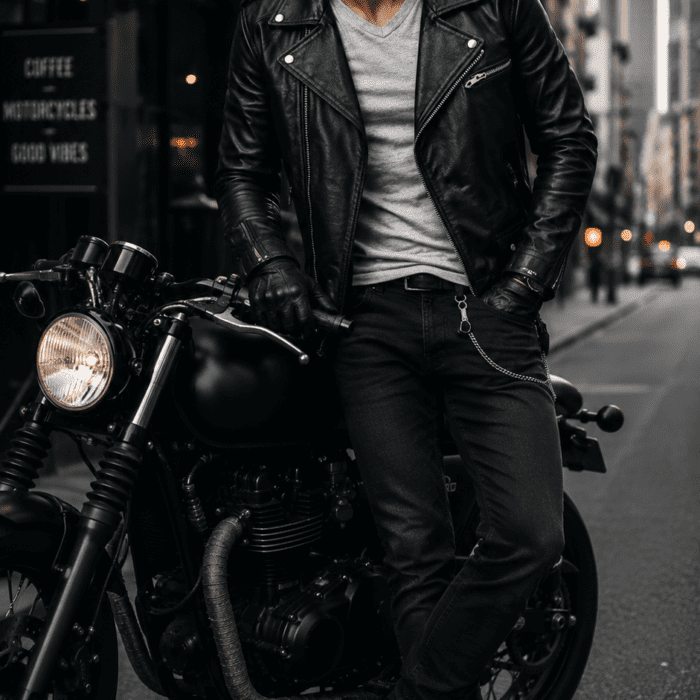
The leather jacket as we know it traces back to the 1920s when Irving Schott designed the first motorcycle jacket — the legendary Perfecto. Built to protect riders from wind and road rash, it featured heavy-duty cowhide, an asymmetrical front zipper, and metal hardware. Hollywood icons like Marlon Brando and James Dean cemented the leather jacket as a symbol of rebellion and effortless cool throughout the 1950s.
Key Differences Between a Bomber and a Leather Jacket
While people sometimes use these terms interchangeably, the two styles differ significantly in construction, material, silhouette, and overall vibe.
Material and Construction
The most obvious distinction lies in what each jacket is made from.
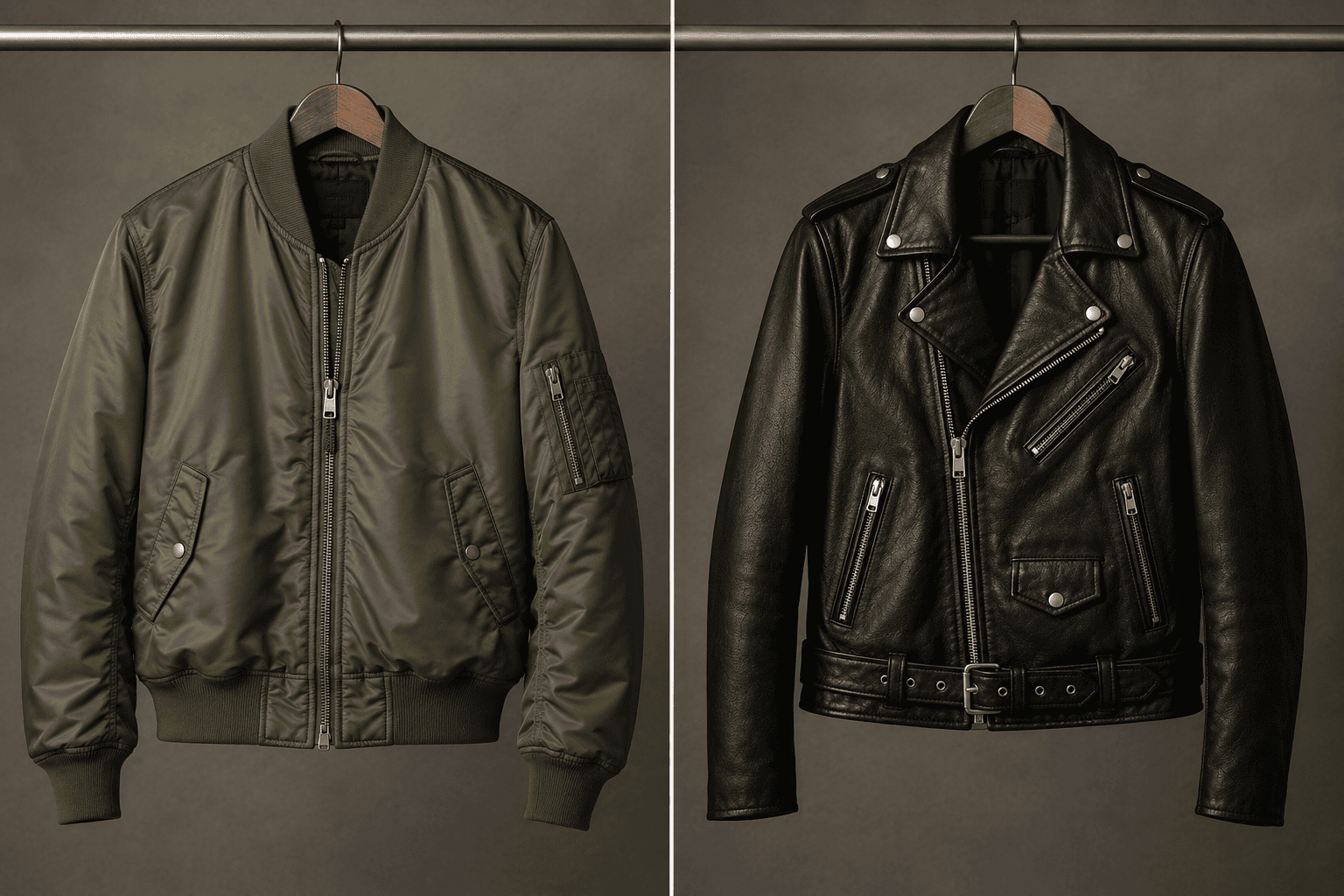
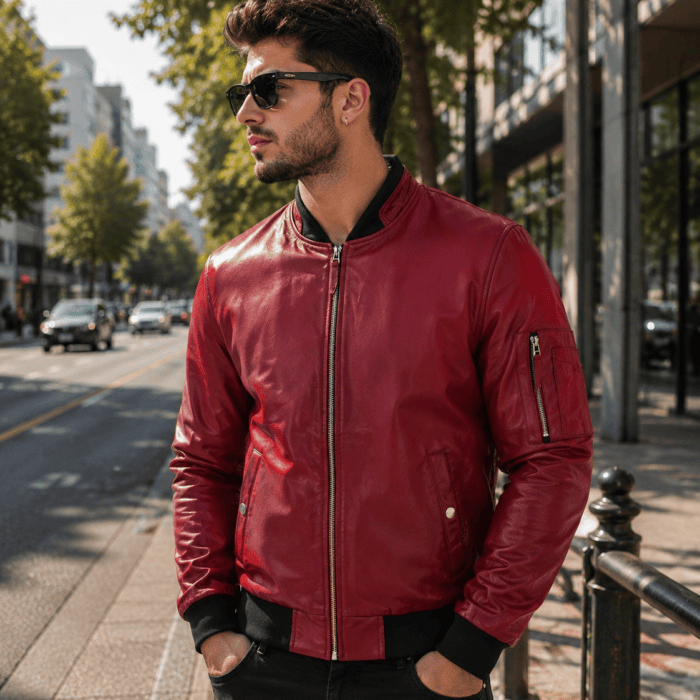
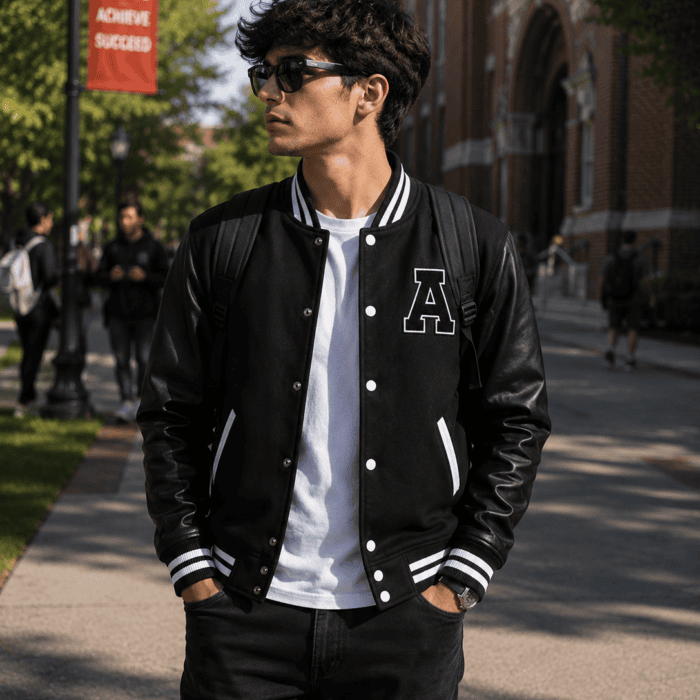
- Bomber jackets are most commonly crafted from nylon, polyester, satin, or lightweight cotton blends. Some premium versions use suede or leather, but the classic bomber relies on synthetic or woven fabrics with a smooth, sometimes slightly shiny finish.
- Leather jackets are made from genuine animal hides — cowhide, lambskin, goatskin, or sheepskin. The material is naturally heavier, more rigid initially, and develops a rich patina with age that synthetic fabrics simply cannot replicate.
This difference in material directly affects durability, weight, breathability, and how each jacket ages over the years.
Silhouette and Fit
The shape of each jacket tells a completely different style story.
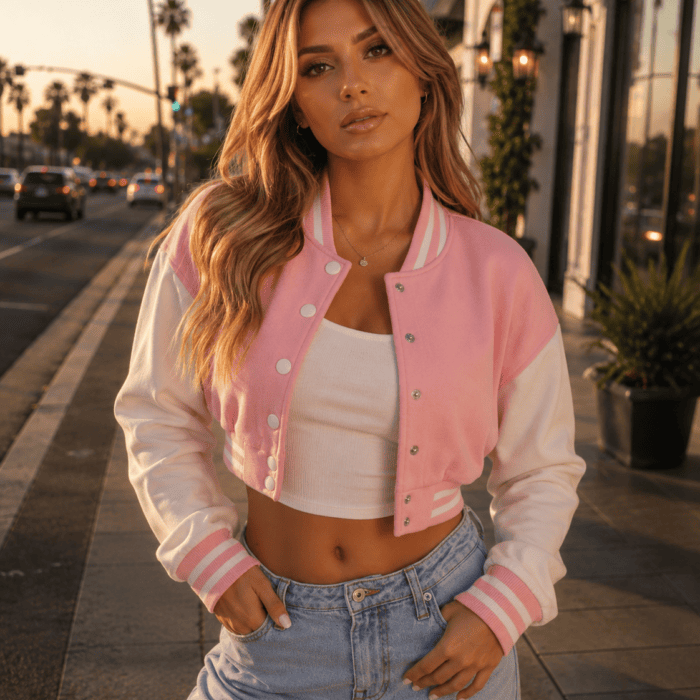
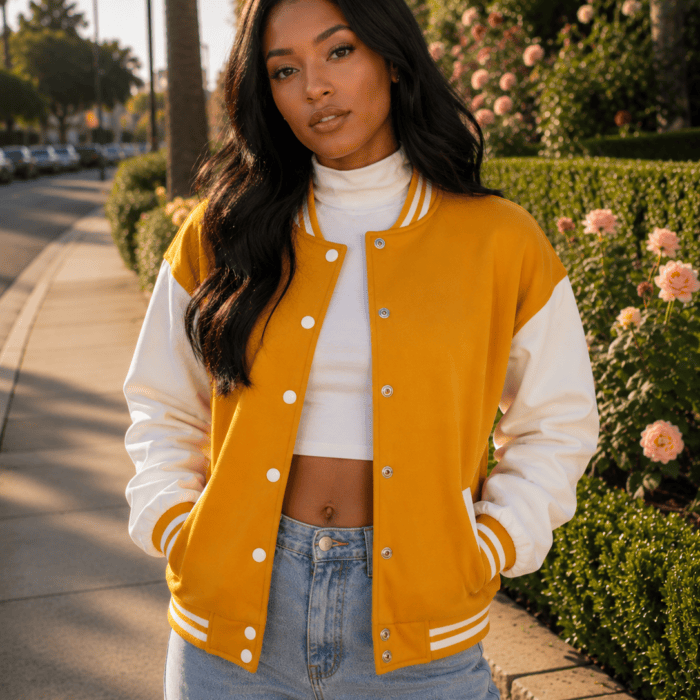
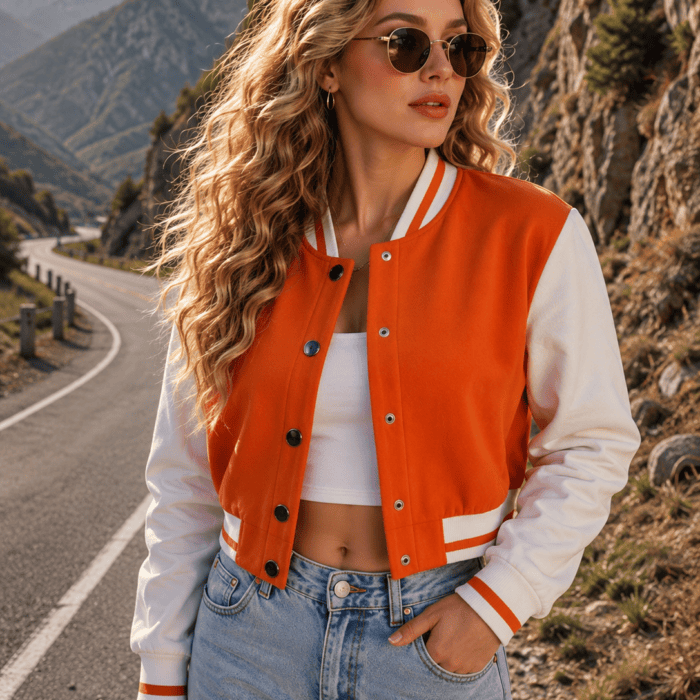
- Bombers have a relaxed, rounded silhouette. The elasticized ribbing at the waist, collar, and cuffs creates a slightly bloused effect that gives off a casual, laid-back energy. Most bombers hit right at the hip.
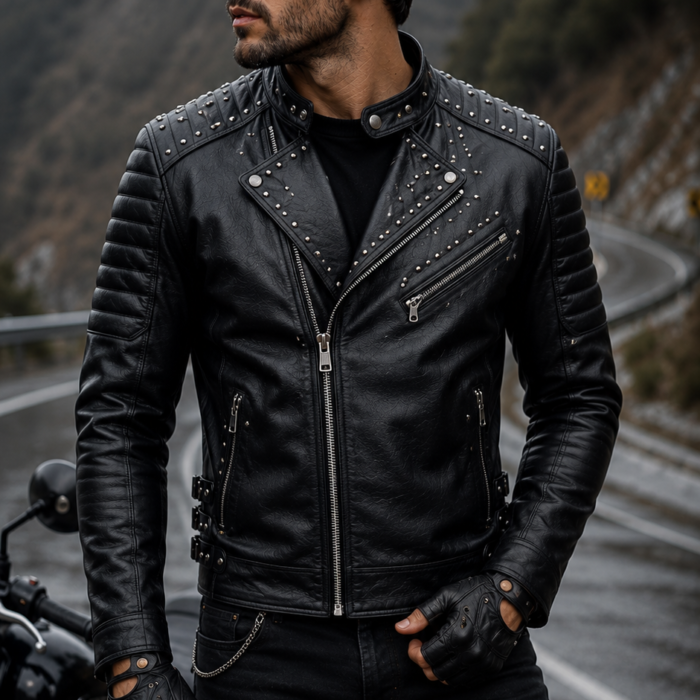
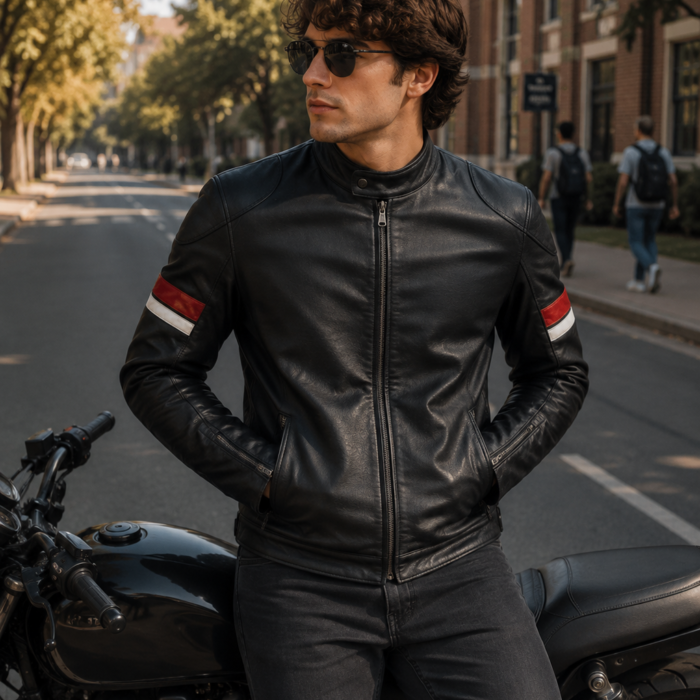
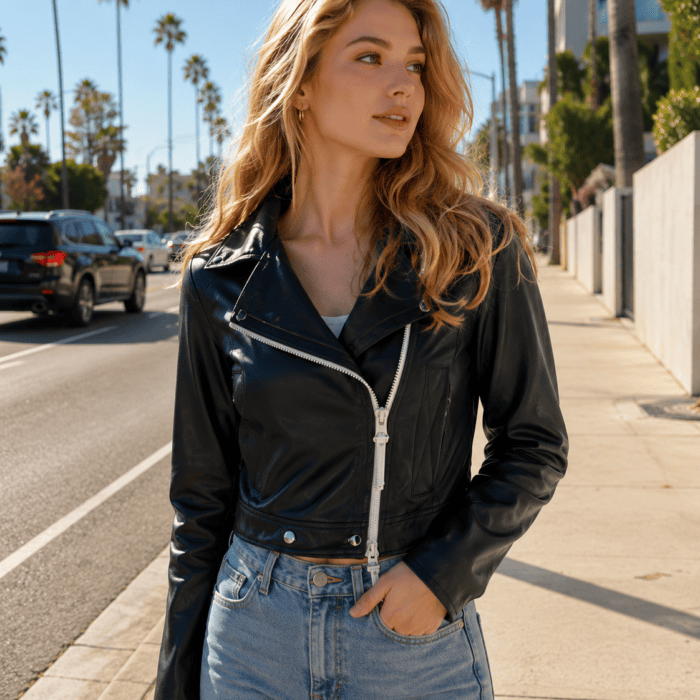
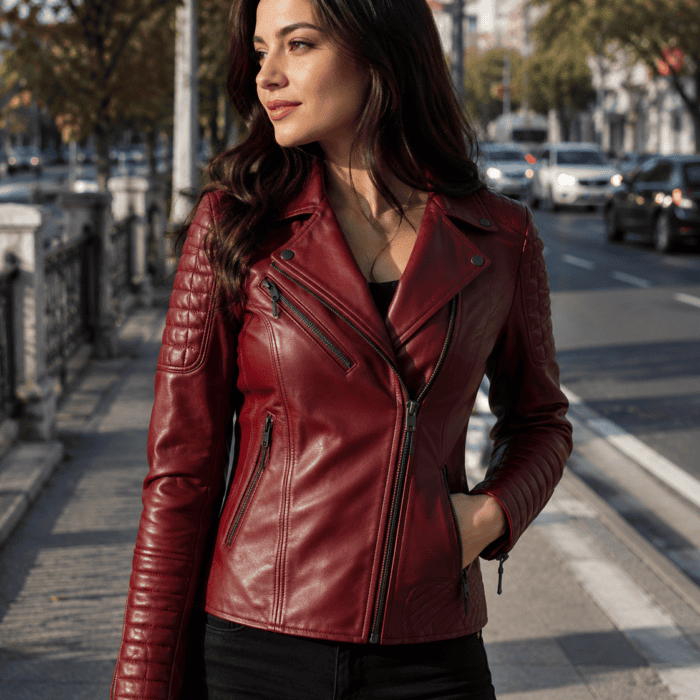
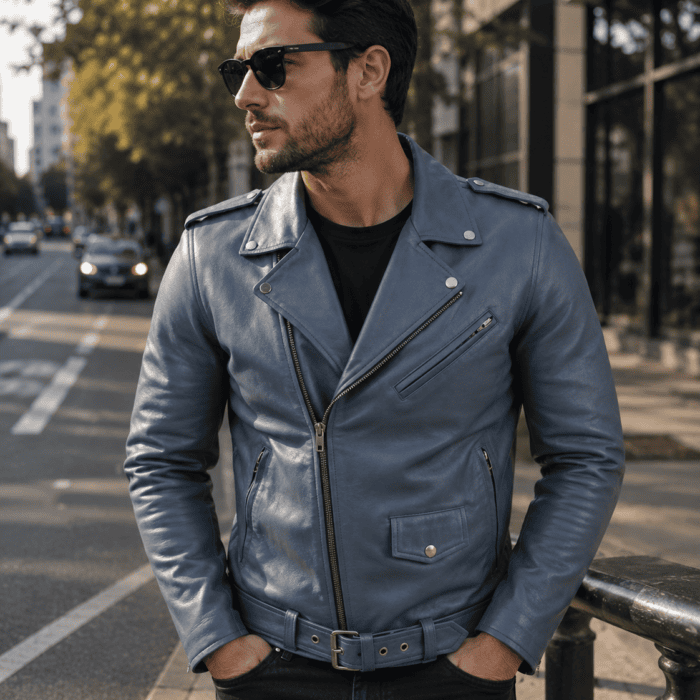
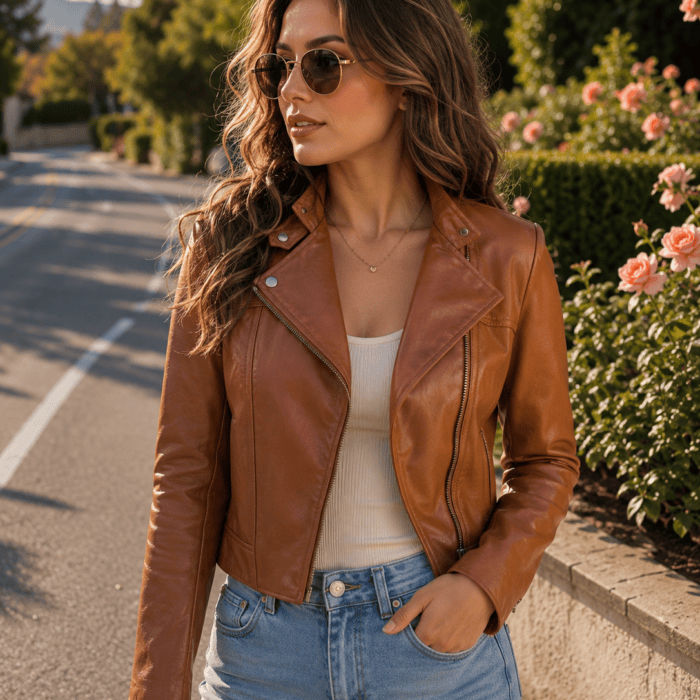
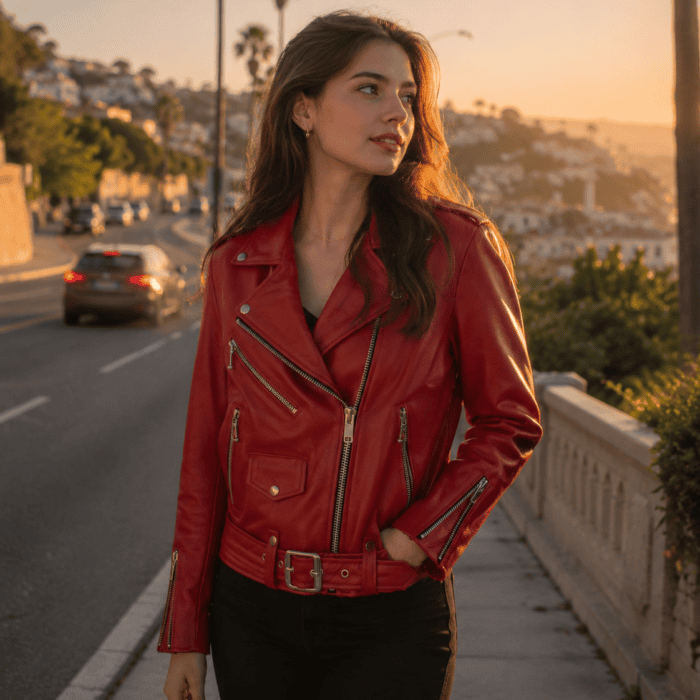
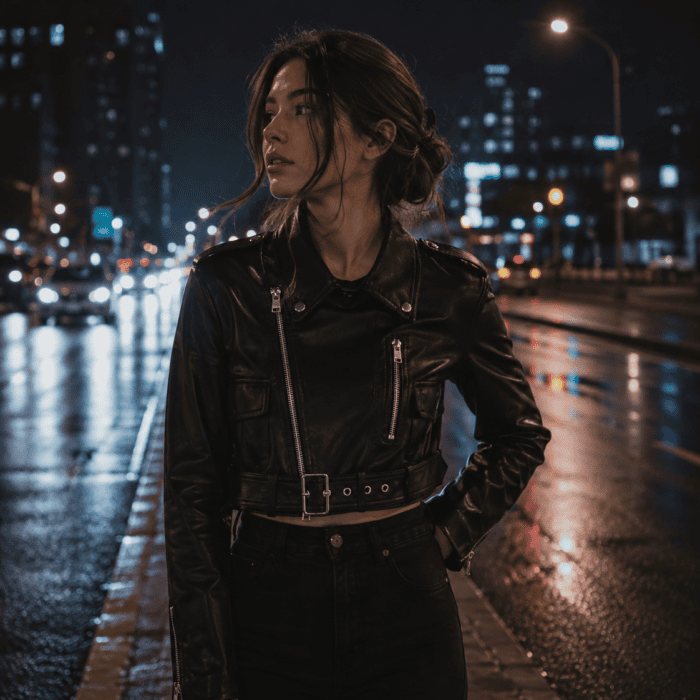
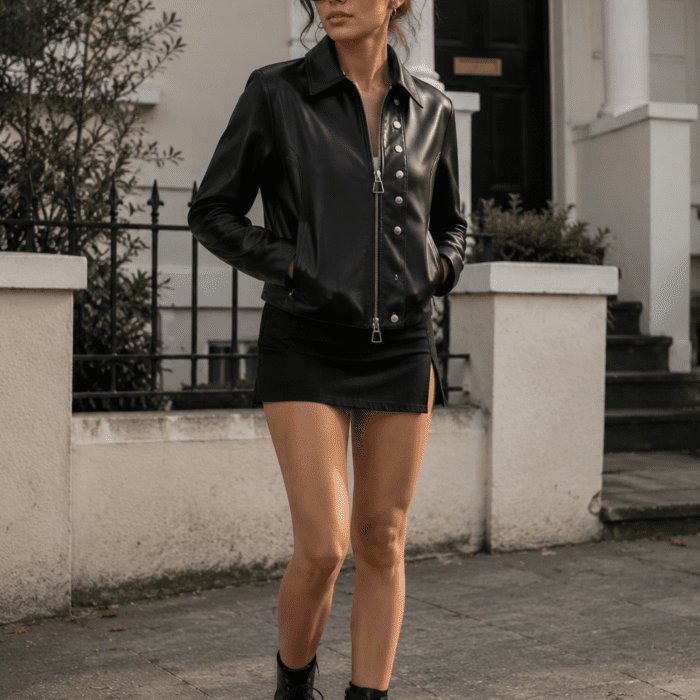
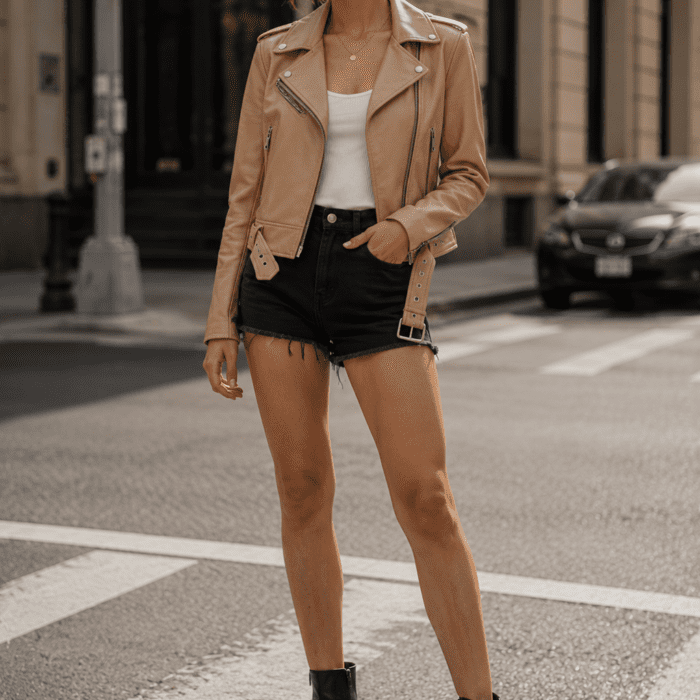
- Leather jackets — particularly moto and biker styles — offer a more structured, fitted silhouette. They sit closer to the body, often featuring a belted waist, angular lapels, and a cropped hemline that accentuates the torso.
If you prefer a looser, easy-going fit, bombers deliver that effortlessly. If you lean toward sharp, defined lines, a leather jacket is the stronger choice.
Style and Aesthetic
Each jacket carries its own cultural weight and fashion identity.
A bomber jacket communicates casual confidence. It pairs naturally with sneakers, joggers, jeans, and graphic tees. It fits seamlessly into streetwear, athleisure, and smart-casual looks without trying too hard.
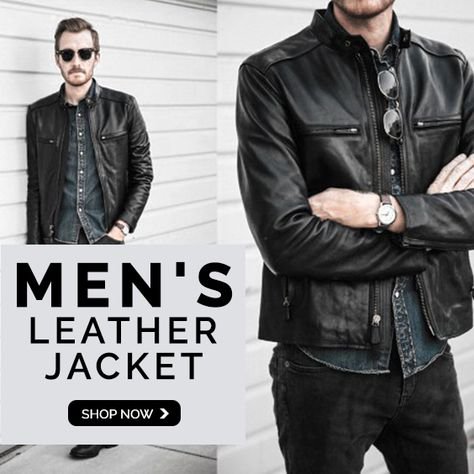
A leather jacket radiates edge and attitude. Whether you’re wearing it over a plain white t-shirt or layering it with a hoodie, it adds instant sharpness and a hint of rebellious character to any ensemble.
Versatility: Which Jacket Works with More Outfits?
This is where personal style and daily lifestyle play the biggest role.
When to Reach for a Bomber
- Weekend brunches and casual outings
- Layering over hoodies or crewneck sweatshirts during transitional weather
- Travel days when comfort and packability matter
- Streetwear-inspired looks with sneakers and joggers
Bombers are incredibly easy to dress down, which makes them a reliable everyday staple.
When to Reach for a Leather Jacket
- Date nights and evening events where you want to make an impression
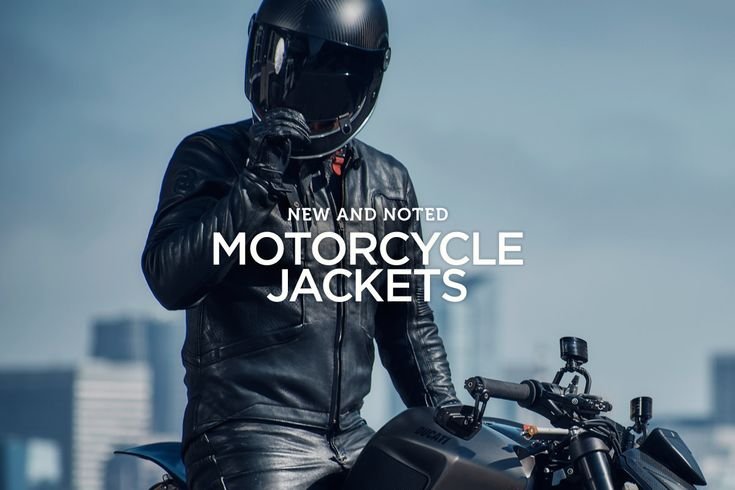
- Motorcycle riding or outdoor activities that demand rugged protection
- Smart-casual and semi-formal settings where a blazer feels too stiff
- Building a capsule wardrobe around timeless, season-proof pieces
Leather jackets require a bit more intentional styling, but they reward you with an unmistakable presence that few other garments can match.
Durability and Longevity
When it comes to lasting power, leather has a clear advantage. A well-maintained genuine leather jacket can last 20 years or longer, aging gracefully and actually looking better with time. The natural creasing and patina development give it a character that grows with the wearer.
Bomber jackets made from nylon or polyester are lighter and easier to care for, but they don’t age with the same charm. Fabrics can pill, fade, or lose their shape after a few seasons of regular wear. That said, they’re typically far more affordable to replace.
Cost Comparison
- A quality bomber jacket ranges from $50 to $200 depending on brand and material.
- A genuine leather jacket generally starts around $150 and can exceed $500 for premium hides and craftsmanship.
If budget is a primary concern, bombers offer excellent style at a fraction of the price. If you view outerwear as a long-term investment, leather delivers unmatched value over time.
Weather Suitability and Comfort
Bomber Jackets in Different Climates
Bombers work best during spring and fall when temperatures are mild. Lined versions with quilted interiors can handle cooler days, but they aren’t designed for harsh winter weather. Their lightweight construction makes them breathable and comfortable for layering.
Leather Jackets in Different Climates
Leather naturally blocks wind and provides decent insulation, making it suitable for cool to moderately cold conditions. However, genuine leather isn’t waterproof — prolonged rain exposure can damage the material without proper treatment. In warmer climates, leather can feel heavy and uncomfortable.
Which One Should You Choose?
There’s no universal winner here — the right jacket depends entirely on your personal style, daily routine, and what you value most in outerwear.
Choose a bomber jacket if you:
- Prioritize comfort and casual versatility
- Want an affordable, low-maintenance layering piece
- Gravitate toward streetwear and relaxed aesthetics
Choose a leather jacket if you:
- Want a statement piece that lasts a lifetime
- Prefer structured, edgy, and polished outfits
- Value craftsmanship and the beauty of natural materials
Honestly, the most stylish wardrobes include both. They serve different moods, different occasions, and different seasons — and owning one doesn’t diminish the value of the other.
Frequently Asked Questions
Is a bomber jacket considered a leather jacket?
Not necessarily. While some bomber jackets are made from leather, the classic bomber style is typically constructed from nylon or polyester. The term “leather jacket” usually refers to moto, biker, or racer styles made from genuine animal hide.
Can you wear a bomber jacket to a formal event?
A standard bomber is too casual for formal occasions. However, a leather or satin bomber in a dark, solid color can work for smart-casual events when paired with tailored trousers and clean footwear.
Which jacket is warmer — bomber or leather?
Leather jackets generally provide better wind protection due to the density of the hide. However, insulated bombers with quilted linings can offer comparable warmth in milder cold weather.
Do bomber jackets go out of style?
Bomber jackets have remained a wardrobe staple since the 1950s. While certain variations trend in and out of fashion, the classic MA-1 silhouette has proven to be a timeless piece that transcends seasonal trends.
Are leather jackets worth the higher price?
For most people, yes. A genuine leather jacket offers superior durability, develops a unique character over time, and can be worn across decades with proper care. It’s one of the few wardrobe investments that genuinely pays for itself in the long run.
Both the bomber and the leather jacket have earned their place in fashion history for good reason. Understanding their differences empowers you to make a smarter choice — or better yet, to appreciate both for what they uniquely bring to your wardrobe.